

Jamaican plantains are sometimes confused with bananas to people who are not use to them. Although there is nothing botanically to differentiate one from the other there are many dissimilarities. There can be no doubt that the Jamaican plantains and bananas are close relatives. However the plantain contains more starch and it takes longer to get sweet enough as to be eaten out of the hand. This adds to the versatility of the Jamaican plantains.
Jamaican plantains are native to India and are grown extensively in the tropics. They are susceptible to strong winds as they are a plant rather than a tree. Plantain plays an important role in the Jamaican cuisine, it is used as vegetable, source of carbohydrate and deserts. Different maturing stages of the Jamaican plantain is can be utilize for what it worth.
The green Jamaican plantain is normally boiled, fried or roast and eaten like or in place of a potato. When fully ripe it is normally fried and served as a vegetable or side dish and is also made into plantain tart which is quite popular in Jamaica. Basically the plantain can be used in place of banana in many things the stage of maturity is the key.
Jamaican Plantain
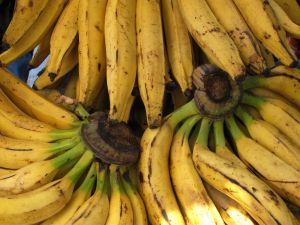
Plantains
Jamaican Ripe Plantains
We are Best Jamaica we know Jamaica BEST.

Best Jamaica is the a Tour Company in Jamaica that offers airport transfers and tours across the island. We also offer top quality tours like no one else can. Whether you are visiting on a cruise ship or staying in an hotel, Best Jamaica can help you to enjoy the best of Jamaica.

Copyright© BestJamaica 2014 all rights reserved.