

The Jamaican ackee fruit is very important to Jamaica and Jamaicans home or abroad. It forms part of the Jamaican national dish and is big favorite of almost everyone. The Jamaican ackee have its roots in West Africa and made its way to Jamaica in 1778 and then to the other Caribbean islands.
The ackee plant is an evergreen tree that gets to about 6 meters with cluster of leaves forming the top. The ackee fruit turns red upon reaching maturity but must not be consumed before they split open naturally exposing the their black seeds. Consuming the Jamaican ackee that is not open naturally can be fatal.
Ackee is consumed in Jamaica more than anywhere else in the world. Not even in West Africa where the plant is indigenous do people take a liking for it as in Jamaica. The natural oil of the ackee arils contains many important nutrients especially fatty acids linoleic, palmitic and stearic acids. The Jamaican ackee is normally prepared with salted dry codfish but not confine to this combination only.
Jamaican Ackee
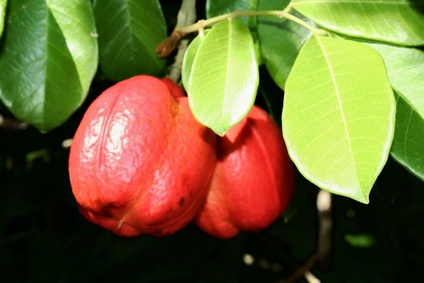
Ackee
Pods of ackee

- Home
- Airport Transfers
- Best Jamaica Tours
- Destinations
- Media
- Cruise Excursions
- Jamaican Food
- Contact
- Sitemap

Payment options.
1) Payment in cash after each tour or transfer.
2) Prepaid payment via PayPal.
3) Payment upon arrival at the airport with a credit card.
1) Payment in cash after each tour or transfer.
2) Prepaid payment via PayPal.
3) Payment upon arrival at the airport with a credit card.

Copyright© Best Jamaica 2013-2020 all rights reserved./Privacy Policy

Home/ Tours/ Airport transfers/ SiteMap/ Destinations/ Cruise Excursions/ Jamaican Food/ Contact/ About Us/



Find us on Google Map.



…